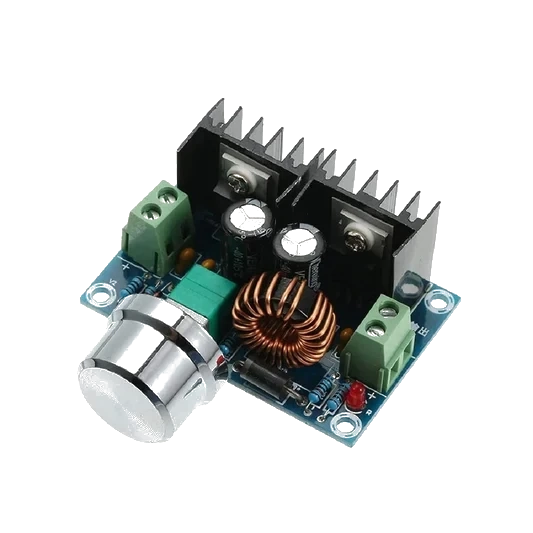
BOOSTXL-DRV8305EVM
128 покупали
BoosterPack Evaluation Module
3-phase motor drive BoosterPack evaluation module based on the DRV8305 smart gate driver.
Ориентировочная цена
Требуется запрос
COP8C — это компонент категории Software, Services от Texas Instruments в упаковке 2010. Его обычно проверяют для IC C-COMPLIER SOFTWARE FOR COP8. На этой странице указаны текущие остатки TrustCompo, уровни цен, данные по корпусу, доступ к datasheet, compliance-атрибуты, варианты отгрузки со склада Hong Kong, подтверждение оплаты и RFQ-варианты для покупателей, которым нужно подтвердить именно этот ordering code.
COP8C
TCE000071343
2010
-
1
IC C-COMPLIER SOFTWARE FOR COP8
-
Сигналы доверия
Проверьте credentials TrustCompo, поддержку traceability, anti-counterfeit handling и inspection controls перед отправкой RFQ.
Процессы менеджмента качества для более стабильной закупки и обращения с продукцией.
Контроль дистрибуции авиационного уровня для прослеживаемости и надежности.
Экологическая дисциплина в операционных и складских процессах.
Стандарты защиты от электростатического разряда для чувствительных компонентов.
RFQ checklist
Подтвердите ключевые данные закупки для COP8C до RFQ, выпуска PO и планирования отгрузки.
Укажите точный part number, производителя, package и approval constraints в RFQ.
Проверьте live availability, MOQ, lead time, финальную цену и налоговые условия до PO.
Подтвердите datasheet, CoC, traceability, lifecycle notes и scope инспекции, если требуется.
Выпустите PO и согласуйте DHL, FedEx, UPS или buyer forwarder shipment из Hong Kong.
Перед выпуском PO
Технические параметры
Сравните сгруппированные параметры COP8C от Texas Instruments, включая package, series, key attributes и technical values для engineering и sourcing review.
Product Attribute
REACH Status
REACH Unaffected
Product Attribute
ECCN
EAR99
Product Attribute
Lead Free
Lead Free
Product Attribute
Part Status
Discontinued
Product Attribute
Terminal Position
DUAL
Product Attribute
Peak Reflow Temperature (Cel)
260
| Параметр | Значение |
|---|---|
REACH Status Shows whether the component complies with the EU REACH regulation. Essential for legal market access in Europe. Check the manufacturer's latest statement to confirm that no substances of very high concern are present above the threshold. | REACH Unaffected |
ECCN Export Control Classification Number assigned by the U.S. government. Determines whether the component requires an export license. Essential for international trade compliance. Verify the ECCN with the manufacturer or supplier before shipping to avoid legal issues. | EAR99 |
Lead Free Indicates whether the component is manufactured without lead, complying with RoHS and similar regulations. Check this attribute to ensure environmental compliance for your market. Verify against the datasheet for exact material declarations. | Lead Free |
Part Status Lifecycle status of the part, such as active or obsolete. Indicates availability and long-term support from the manufacturer. Check this before design-in to avoid last-time buys or supply disruptions. Verify with the datasheet or distributor for current status. | Discontinued |
Terminal Position Position of the terminals on the package, such as dual-in-line, gull-wing, or J-lead. This affects PCB layout, soldering, and thermal performance. Engineers must ensure the terminal position matches the footprint and assembly capabilities of their manufacturing line. | DUAL |
Peak Reflow Temperature (Cel) Maximum temperature during reflow soldering that the component can withstand. This is critical for solder joint reliability and preventing damage. Verify that the peak reflow temperature is compatible with your soldering profile and the component's moisture sensitivity level. | 260 |
Terminal Form Describes the physical configuration of the component's leads or pads, such as through-hole, surface mount, or gull-wing. This affects PCB layout, soldering process, and mechanical fit. Confirm compatibility with your assembly method and footprint. | GULL WING |
Technology Manufacturing technology or process used for the component, such as thin film, thick film, or semiconductor process. Affects performance, stability, and cost. Confirm the technology matches your application requirements and environmental conditions. | CMOS |
Qualification Status Shows if the component meets a specific industry standard or reliability level. Buyers should verify this against the datasheet to ensure the part is suitable for their application's environmental and performance requirements. | Not Qualified |
Manufacturer Identifies the company that designed and produced the component. Buyers often filter by manufacturer to ensure brand reliability, quality standards, and supply chain consistency. Verify the manufacturer against the datasheet and official packaging to avoid counterfeit parts. | Texas |
Terminal Pitch Terminal pitch is the center-to-center distance between adjacent leads or pads on a component. It determines PCB layout compatibility and soldering feasibility. Verify against the datasheet to ensure your footprint matches the component's actual lead spacing. | 0.5mm |
HTS Code Harmonized Tariff Schedule code used for customs classification of electronic components. Helps determine duties and regulatory requirements. Buyers should confirm the code with a customs broker for accurate shipping. | 8542.31.00.01 |
Temperature Grade Defines the operating temperature range classification for the component, such as commercial, industrial, or automotive. This indicates the environmental conditions the device can withstand. Ensure the grade matches your application's ambient temperature requirements. | INDUSTRIAL |
Surface Mount Mounting type: surface mount or through-hole. Surface mount components are placed directly on the PCB, saving space and enabling automated assembly. Through-hole components offer stronger mechanical bonds. Verify the mounting style matches your PCB design and assembly process. | YES |
On-Chip Data RAM Width Specifies the bit width of the internal data RAM integrated into the microcontroller or SoC. This affects data bus throughput and processing efficiency. Verify against the datasheet when comparing memory performance for your application. | 8 |
Pb-Free Code Indicates whether the component is lead-free per RoHS or other directives. Buyers use this to verify environmental compliance and avoid restricted substances. Always confirm with the datasheet or certificate of compliance. | yes |
Supply Voltage Specifies the nominal operating voltage that must be applied to the component for proper function. Verify this value against your system's power rail and the datasheet's absolute maximum ratings to ensure reliable operation and avoid damage. | 4.5V |
Reflow Temperature-Max (s) Maximum time the component can be exposed to the peak reflow temperature during soldering. Exceeding this duration may cause damage or degrade reliability. Ensure your soldering profile stays within this limit and check the datasheet for exact conditions. | NOT SPECIFIED |
Operating Temperature (Max) Specifies the highest ambient temperature at which the component can operate reliably. Check this limit against your application's thermal environment to prevent overheating and ensure long-term stability. Always verify with the datasheet for derating curves. | 85°C |
Operating Temperature (Min) Specifies the lowest ambient temperature at which the component remains fully functional. Check this limit against your application's environmental extremes to ensure reliable operation. Exceeding this minimum may cause performance degradation or failure, so always verify with the datasheet. | -40°C |
Number of Terminations Indicates the total number of electrical connection points on the component, such as pins or pads. This is critical for PCB footprint design and assembly. Verify it matches the package specification to ensure proper soldering and connectivity. | 48 |
Pin Count Total number of pins or terminals on the component package. Essential for footprint design, PCB layout, and connector mating. Verify against the datasheet to ensure compatibility with your board and assembly process. | 48 |
On-Chip Program ROM Width Specifies the bit width of the on-chip program ROM in microcontrollers and SoCs. Wider ROM allows larger firmware and more complex instructions. Verify against the datasheet to ensure compatibility with your code size and memory architecture. | 8 |
Length Specifies the physical length of the component body, typically in millimeters. This dimension is critical for PCB layout and mechanical fit. Verify against the datasheet to ensure proper clearance and alignment in your design. | 12.5mm |
Width Physical width of the component body, typically in millimeters. Essential for PCB footprint design and mechanical fit. Verify against the datasheet to ensure proper clearance and compatibility with your board layout and enclosure. | 6.1mm |
Number of I/O Total number of input/output pins or channels available on the device. Determines connectivity and interface capability. Verify against your system requirements and datasheet to ensure sufficient I/O for your application. | 40 |
REACH Compliance Code Indicates the component's compliance status with the EU REACH regulation. Buyers should verify this code against the manufacturer's declaration to ensure restricted substances are within allowable limits for their target market. | compliant |
Additional Feature Lists any extra characteristics or capabilities beyond the standard specifications, such as built-in protection, special mounting options, or enhanced performance. Review these features to ensure they meet your application's specific needs and compare them across similar parts. | ALSO OPERATES AT 2.7 TO 5.5V SUPPLY @ OPERATING TEMPERATURE -40 TO 85 |
Clock Frequency Operating frequency of the clock signal that drives the device. Determines processing speed and timing accuracy. Compare with your system's required clock rate and check the datasheet for maximum and typical values. | 10MHz |
Categories Lists the product categories or classifications assigned to this component, such as connectors, capacitors, or modules. This helps in filtering and comparing similar parts. Review the categories to ensure the component fits your application and to find alternative parts in the same class. | Development Boards, Kits, Programmers |
Type Select the component category that best matches your application, such as resistor, capacitor, diode, or connector. This classification helps narrow down the correct part family and ensures compatibility with your circuit design. Verify the type against the datasheet to avoid mismatches. | Compiler/Assembler/Linker |
Base Part Number Identifies the core product family without package, grade, or option suffixes. Use this to compare equivalent components across manufacturers and to locate the primary datasheet. Verify the full ordering code against the manufacturer's specification before design-in. | COP8 |
Manufacturer's Part No. The unique part number assigned by the original component manufacturer. Use this to cross-reference datasheets, verify specifications, and ensure the exact component matches your design requirements. Always confirm the number against the manufacturer's official documentation. | COP8C |
Applications Specify the typical end-use scenarios for this electronic component, such as consumer electronics, automotive, industrial, or telecommunications. This helps engineers quickly assess suitability for their design. Verify against the datasheet's application section. | Programming |
Sub-Categories Indicates the specific product subcategories or classifications within the broader component family. Helps narrow down search results and identify the exact type of component needed for your design. Review the subcategory to ensure compatibility with your application. | Software, Services |
| Параметр | Значение |
|---|---|
Format Specifies the data format or package type of the component. This helps identify the physical or logical configuration, such as tape and reel, tray, or specific file format. Verify against the datasheet to ensure compatibility with your assembly process. | FIXED-POINT |
Terminal Finish Specifies the plating material on component terminals, affecting solderability, corrosion resistance, and long-term reliability. Compare finishes like tin, gold, or silver for your assembly process and environmental requirements. Verify against datasheet for compliance. | Matte Tin (Sn) |
Speed Specifies the maximum clock frequency or data rate of the component. This is critical for timing and performance. Verify the speed grade in the datasheet to ensure it meets your system's throughput requirements and that signal integrity is maintained at that speed. | 20 MHz |
Bit Size Specifies the number of bits in a single data word for digital components. This determines the maximum data width the device can process or store. Compare bit sizes when selecting microcontrollers, ADCs, DACs, or memory chips to ensure compatibility with your system's data bus and processing requirements. | 8 |
DMA Channels Number of independent direct memory access channels available on the microcontroller or processor. Compare this when selecting devices for data-intensive applications to ensure sufficient bandwidth for peripherals without CPU load. Verify against the datasheet for exact channel mapping and features. | NO |
Supply Voltage-Max (Vsup) Specifies the highest DC supply voltage the component can tolerate without damage or malfunction. Engineers compare this to the system's power rail to ensure safe operation. Always verify against the datasheet's absolute maximum ratings. | 5.5V |
Has ADC Check this attribute to confirm whether the component integrates an analog-to-digital converter. This is critical for microcontrollers, sensors, and mixed-signal ICs where analog inputs need digital processing. Verify against the datasheet to ensure the ADC meets your resolution and sampling requirements. | YES |
Integrated Cache Shows whether the component includes an integrated cache memory to speed up data access for the processor. Compare cache presence and size to assess performance for real-time or high-throughput tasks. Verify details in the datasheet. | NO |
PWM Channels Number of independent pulse-width modulation outputs available on the component. Compare this when selecting microcontrollers, motor drivers, or LED controllers to ensure enough channels for your application. Verify against the datasheet for channel mapping and shared timer limitations. | YES |
DAC Channels Number of digital-to-analog converter channels integrated in the device. Compare this to the number of analog outputs you need in your system. Verify against the datasheet to ensure the DAC resolution and output drive capability match your application requirements. | NO |
Boundary Scan Indicates whether the device supports JTAG boundary scan for testing interconnections and internal logic. Useful for board-level testing and debugging. Confirm the boundary scan description in the datasheet to ensure compatibility with your test tools and chain configuration. | NO |
Low Power Mode Specifies the available low power modes for the component, such as sleep, standby, or shutdown. Compare modes to match your system's power budget and wake-up requirements. Verify supported modes and current consumption in the datasheet. | NO |
ROM (words) Indicates the read-only memory capacity in words, representing the number of addressable storage units for firmware or fixed data. Compare sizes to ensure sufficient code space for your application. Check the datasheet for exact word width. | 32768 |
Supply Voltage-Min (Vsup) Minimum supply voltage for proper operation. Check the datasheet to ensure your power rail meets this threshold. Critical for low-voltage designs and battery-powered applications. Compare across parts to avoid undervoltage failures. | 2.7V |
Number of External Interrupts Defines the number of external interrupt input pins available on the microcontroller or processor. This is important for real-time event handling. Check the datasheet for interrupt priority levels and edge/level sensitivity options to ensure they match your application's needs. | 8 |
RAM (words) Specifies the random access memory capacity expressed in words, a common unit for microcontrollers and digital signal processors. Compare this value when selecting devices for data buffering or real-time processing. Verify against the datasheet to ensure sufficient memory for your application. | 1 |
ROM Programmability Indicates whether the read-only memory can be programmed or is factory-fixed. Buyers should verify if the device supports one-time or field programming, and check the datasheet for programming voltage and timing requirements. | FLASH |
Supply Current-Max Maximum current drawn from the power supply under specified operating conditions. Use this to estimate power dissipation and design your power supply and thermal management. Always check the datasheet for test conditions, as current can vary with voltage, frequency, and load. | 13.2mA |
| Параметр | Значение |
|---|---|
JESD-609 Code This code indicates the terminal finish material per JESD-609 standard. It helps identify the plating type for soldering compatibility and environmental compliance. Check the datasheet for the exact code and its meaning. | e3 |
RoHS Status Indicates whether the component complies with the EU RoHS directive restricting hazardous substances. Buyers should verify this status for regulatory compliance and market access. Check the datasheet or certificate for exact compliance details. | Not applicable |
Moisture Sensitivity Level (MSL) Indicates the floor life of a component before it must be baked prior to soldering. Higher levels require stricter handling and shorter exposure times. Verify the MSL rating in the datasheet to ensure proper storage and assembly conditions. | 3 (168 Hours) |
ECCN Code Export Control Classification Number assigned by the U.S. Commerce Department. It determines export licensing requirements for electronic components. Verify the ECCN against the manufacturer's datasheet or export compliance documentation before shipping internationally. | EAR99 |
JESD-30 Code JEDEC standard code that defines the package outline and dimensions. Use it to verify physical compatibility and footprint before PCB design. Compare with the datasheet to ensure the component meets your assembly and manufacturing requirements. | R-PDSO-G48 |
HTSUS Harmonized Tariff Schedule of the United States code for customs classification. Essential for import/export documentation and duty calculation. Verify the correct code with a trade specialist to avoid customs delays. | 8523.49.2010 |
| Параметр | Значение |
|---|---|
Height Seated (Max) Maximum vertical dimension from the seating plane to the top of the component body. Critical for PCB clearance and enclosure fit. Verify against the datasheet when designing mechanical constraints or checking compatibility with mating parts. | 1.2mm |
Документы уведомлений
Для COP8C сейчас не показан публичный product notice document. Подтвердите PCN, PDN, EOL, date code и lifecycle status во время RFQ до производственной закупки.
Связанные варианты закупки
Посмотрите больше компонентов из той же подкатегории, чтобы сравнить наличие, совместимость и варианты закупки.
3-phase motor drive BoosterPack evaluation module based on the DRV8305 smart gate driver.
MSP430 LaunchPad development kit for value-line ultra-low-power MCUs with on-board debugging and energy measurement.
C2000 LaunchPad development kit for the F280049C real-time controller with BoosterPack expansion support.
i.MX RT1060 evaluation kit for crossover MCU prototyping with high-speed debug, external memory, and expansion capability.
PIC-IoT WG development board for secure Wi-Fi-connected embedded applications and cloud-ready IoT demonstrations.
Частые вопросы
Точные ответы для покупателей, которые проверяют ordering code COP8C, упаковку, наличие, datasheet и путь замены.
COP8C — это точный ordering code для компонента категории Software, Services от Texas Instruments. Текущий корпус указан как 2010, а контекст позиции включает IC C-COMPLIER SOFTWARE FOR COP8. Используйте полный код при запросе склада, цены, datasheet или compliance-подтверждения.
Рассматривайте COP8C как полный ordering code при RFQ и инженерной проверке. Подтвердите указанный корпус 2010, документацию производителя Texas Instruments, ordering table в datasheet, reel или packing details и требования внутреннего утверждения до замены или выпуска PO.
COP8C сейчас указан с корпусом 2010 от Texas Instruments. Перед утверждением закупки подтвердите manufacturer package drawing, footprint, pinout, tape-and-reel данные и требования к приемке.
COP8C сейчас помечен на странице как позиция с наличием. Перед заказом подтвердите корпус (2010), указанный склад (33958), доступное количество (50702), нужное количество, срок поставки, финальную цену, compliance-требования и совпадение точного ordering code через RFQ.
Для COP8C сейчас не опубликован список связанных альтернатив. Отправьте RFQ с количеством, ограничениями по корпусу и требованиями к утверждению, чтобы TrustCompo помогла проверить возможные replacement options.