
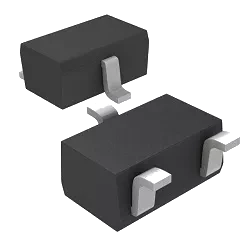
TC1016-1.8VLTTR PMIC - Voltage Regulators - Linear от Microchip Technology
TC1016-1.8VLTTR — это компонент категории PMIC - Voltage Regulators - Linear от Microchip Technology в упаковке SC70-5. Его обычно проверяют для IC REG LINEAR 1.8V 80MA SC70-5. На этой странице указаны текущие остатки TrustCompo, уровни цен, данные по корпусу, доступ к datasheet, compliance-атрибуты, варианты отгрузки со склада Hong Kong, подтверждение оплаты и RFQ-варианты для покупателей, которым нужно подтвердить именно этот ordering code.
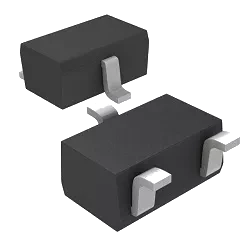
Изображения приведены только для справки. Пожалуйста, свяжитесь с нами для получения последних изображений.
- Гарантия 365 днейПоддержка после покупки помогает закупщикам разбирать вопросы качества в понятный срок проверки.
- Отправка в течение 24-48 часовДоступные позиции могут быть быстро отправлены после подтверждения цены, количества и деталей доставки.
- 100% проверка на контрафактКомпоненты проходят проверку подлинности и инспекцию перед отгрузкой.
Ключевые характеристики
- Номер детали
TC1016-1.8VLTTR
- Внутренний код
TCE000120195
- Упаковка
SC70-5
- Производитель
- Microchip Technology
Ключевые характеристики
- Серия
-
- Минимальное количество
1
- Категория
- Integrated Circuits (ICs)
- Подкатегория
- PMIC - Voltage Regulators - Linear
- Описание
IC REG LINEAR 1.8V 80MA SC70-5
- Основные характеристики
-
- Техническое описание
- Открыть datasheet TC1016-1.8VLTTR
Сигналы доверия
Качество и доверие
Проверьте credentials TrustCompo, поддержку traceability, anti-counterfeit handling и inspection controls перед отправкой RFQ.
4 сертификата
ISO 9001
Процессы менеджмента качества для более стабильной закупки и обращения с продукцией.
AS9120B
Контроль дистрибуции авиационного уровня для прослеживаемости и надежности.
ISO 14001
Экологическая дисциплина в операционных и складских процессах.
ESD Control
Стандарты защиты от электростатического разряда для чувствительных компонентов.
RFQ checklist
Процесс заказа
Подтвердите ключевые данные закупки для TC1016-1.8VLTTR до RFQ, выпуска PO и планирования отгрузки.
- 1
Подтвердить MPN
Укажите точный part number, производителя, package и approval constraints в RFQ.
- 2
Проверить склад и цену
Проверьте live availability, MOQ, lead time, финальную цену и налоговые условия до PO.
- 3
Согласовать документы
Подтвердите datasheet, CoC, traceability, lifecycle notes и scope инспекции, если требуется.
- 4
Организовать отгрузку
Выпустите PO и согласуйте DHL, FedEx, UPS или buyer forwarder shipment из Hong Kong.
Перед выпуском PO
Проверка детали
- Точный MPN подтвержден: TC1016-1.8VLTTR
- Корпус для проверки: SC70-5
Коммерческие условия
- Live stock и срок поставки подтверждены через RFQ
- Финальная цена и налоговые условия подтверждены до выпуска PO
Отгрузка и документы
- Ship-from location: склад Hong Kong
- Способ доставки: DHL, FedEx, UPS или аккаунт экспедитора покупателя
Технические параметры
Параметры
Сравните сгруппированные параметры TC1016-1.8VLTTR от Microchip Technology, включая package, series, key attributes и technical values для engineering и sourcing review.
Export Classifications & Environmental
JESD-609 Code
e3
Export Classifications & Environmental
RoHS Status
ROHS3 Compliant
Export Classifications & Environmental
REACH SVHC
No SVHC
Export Classifications & Environmental
Moisture Sensitivity Level (MSL)
1 (Unlimited)
Export Classifications & Environmental
ECCN Code
EAR99
Product Parameter
Terminal Finish
Matte Tin (Sn) - annealed
| Параметр | Значение |
|---|---|
JESD-609 Code This code indicates the terminal finish material per JESD-609 standard. It helps identify the plating type for soldering compatibility and environmental compliance. Check the datasheet for the exact code and its meaning. | e3 |
RoHS Status Indicates whether the component complies with the EU RoHS directive restricting hazardous substances. Buyers should verify this status for regulatory compliance and market access. Check the datasheet or certificate for exact compliance details. | ROHS3 Compliant |
REACH SVHC Indicates whether the product contains substances of very high concern as per the REACH regulation. Buyers should verify this for compliance with EU environmental standards, especially when exporting to Europe. Check the manufacturer's declaration or datasheet for accurate SVHC status. | No SVHC |
Moisture Sensitivity Level (MSL) Indicates the floor life of a component before it must be baked prior to soldering. Higher levels require stricter handling and shorter exposure times. Verify the MSL rating in the datasheet to ensure proper storage and assembly conditions. | 1 (Unlimited) |
ECCN Code Export Control Classification Number assigned by the U.S. Commerce Department. It determines export licensing requirements for electronic components. Verify the ECCN against the manufacturer's datasheet or export compliance documentation before shipping internationally. | EAR99 |
| Параметр | Значение |
|---|---|
Terminal Finish Specifies the plating material on component terminals, affecting solderability, corrosion resistance, and long-term reliability. Compare finishes like tin, gold, or silver for your assembly process and environmental requirements. Verify against datasheet for compliance. | Matte Tin (Sn) - annealed |
Output Configuration Specifies the topology of the output stage, such as push-pull, open collector, or half-bridge. This determines how the device drives loads and interfaces with external circuitry. Verify against the datasheet to ensure compatibility with your application's requirements. | Positive |
Protection Features Built-in safeguards that prevent damage from overcurrent, overvoltage, short circuit, or thermal overload. Compare these features to ensure the component meets your application's safety and reliability requirements. Always verify the specific protection mechanisms in the datasheet. | Over Current, Over Temperature |
Control Features Specifies additional control functions like enable, soft-start, or power-good. These features affect system design and sequencing. Verify which controls are available in the datasheet to ensure compatibility with your application requirements. | Enable |
Number of Regulators Specifies how many independent voltage regulator circuits are integrated in the component. Compare this when selecting multi-output power management ICs. Verify against the datasheet to ensure the regulator count matches your design requirements. | 1 |
Time at Peak Reflow Temperature (Max) Specifies the maximum duration a component can withstand at the peak reflow temperature during soldering. Critical for evaluating solder joint reliability and preventing thermal damage. Verify against the datasheet's recommended soldering profile to ensure proper assembly. | 40 |
Dropout Voltage 1 (Nominal) Nominal dropout voltage for the first output. This is the minimum input-to-output differential required to maintain regulation. Compare with your operating conditions and verify against the datasheet for load and temperature variations. | 0.15V |
Dropout Voltage Dropout voltage is the minimum input-to-output differential required for a regulator to maintain regulation. Compare this value when selecting LDOs for battery-powered or low-headroom designs. Verify it against the datasheet to ensure your input supply stays above the dropout threshold under load. | 150mV |
Accuracy Indicates how closely the component's output matches its specified value, critical for sensors, ADCs, and voltage references. Higher accuracy reduces measurement error. Always compare with the datasheet's accuracy specifications for your application. | 0.5 % |
Voltage - Input (Max) Specifies the highest input voltage the component can safely handle without damage or malfunction. Compare this value with your power supply output and any transient spikes. Always verify against the datasheet's absolute maximum ratings to ensure reliable operation. | 6V |
Output Voltage 1 Specifies the first regulated output voltage of a multi-output power supply or DC-DC converter. Engineers compare this value to the load requirements and verify it against the datasheet's tolerance and ripple specifications to ensure proper system operation. | 1.8V |
Power Supply Rejection Ratio Indicates how well a component attenuates power supply noise from input to output. Compare values for stable operation in sensitive analog circuits. Verify against datasheet conditions, as PSRR varies with frequency and load. | 58dB (1kHz) |
Voltage Dropout (Max) Maximum dropout voltage is the minimum input-to-output voltage difference required for a regulator to maintain regulation. Lower dropout improves efficiency in battery-powered designs. Verify this parameter against the datasheet for your load current and temperature range. | 0.3V @ 80mA |
| Параметр | Значение |
|---|---|
Part Status Lifecycle status of the part, such as active or obsolete. Indicates availability and long-term support from the manufacturer. Check this before design-in to avoid last-time buys or supply disruptions. Verify with the datasheet or distributor for current status. | Active |
Lead Free Indicates whether the component is manufactured without lead, complying with RoHS and similar regulations. Check this attribute to ensure environmental compliance for your market. Verify against the datasheet for exact material declarations. | Lead Free |
Mounting Type Specifies how the component is attached to the PCB, such as through-hole or surface mount. This affects assembly processes, thermal performance, and mechanical strength. Buyers should verify compatibility with their manufacturing capabilities and design requirements. | Surface Mount |
Packaging Indicates the form of delivery for the component, such as tape and reel, tube, or tray. This affects handling, storage, and assembly processes. Verify the packaging type matches your production requirements and equipment compatibility. | Tape & Reel (TR) |
Factory Lead Time Indicates the typical duration from order confirmation to shipment from the manufacturer's facility. This helps you plan production schedules and inventory. Verify current lead times with your distributor or supplier, as they may vary based on order quantity, product availability, and market conditions. | 10 Weeks |
Length Specifies the physical length of the component body, typically in millimeters. This dimension is critical for PCB layout and mechanical fit. Verify against the datasheet to ensure proper clearance and alignment in your design. | 2.2mm |
Categories Lists the product categories or classifications assigned to this component, such as connectors, capacitors, or modules. This helps in filtering and comparing similar parts. Review the categories to ensure the component fits your application and to find alternative parts in the same class. | Integrated Circuits (ICs) |
Width Physical width of the component body, typically in millimeters. Essential for PCB footprint design and mechanical fit. Verify against the datasheet to ensure proper clearance and compatibility with your board layout and enclosure. | 1.35mm |
Terminal Position Position of the terminals on the package, such as dual-in-line, gull-wing, or J-lead. This affects PCB layout, soldering, and thermal performance. Engineers must ensure the terminal position matches the footprint and assembly capabilities of their manufacturing line. | DUAL |
Peak Reflow Temperature (Cel) Maximum temperature during reflow soldering that the component can withstand. This is critical for solder joint reliability and preventing damage. Verify that the peak reflow temperature is compatible with your soldering profile and the component's moisture sensitivity level. | 260 |
Terminal Form Describes the physical configuration of the component's leads or pads, such as through-hole, surface mount, or gull-wing. This affects PCB layout, soldering process, and mechanical fit. Confirm compatibility with your assembly method and footprint. | GULL WING |
Operating Temperature Specifies the ambient temperature range within which the component reliably functions. Compare this with your application's thermal environment to ensure proper operation. Always verify against the datasheet for derating curves and maximum ratings. | -40°C~125°C |
Technology Manufacturing technology or process used for the component, such as thin film, thick film, or semiconductor process. Affects performance, stability, and cost. Confirm the technology matches your application requirements and environmental conditions. | CMOS |
Manufacturer Identifies the company that designed and produced the component. Buyers often filter by manufacturer to ensure brand reliability, quality standards, and supply chain consistency. Verify the manufacturer against the datasheet and official packaging to avoid counterfeit parts. | Microchip Technology |
Packing Method Specifies the packaging format for delivery, such as tube, reel, tray, or tape and reel. This affects handling, storage, and assembly processes. Verify the packing method against your production requirements and the datasheet to ensure compatibility with your pick-and-place equipment. | TAPE AND REEL |
Subcategory A more specific classification within the main product category, such as 'Ceramic Capacitor' under 'Capacitors'. This helps narrow down search results and compare similar components. Use it to filter products with similar characteristics and intended applications. | Other Regulators |
Sub-Categories Indicates the specific product subcategories or classifications within the broader component family. Helps narrow down search results and identify the exact type of component needed for your design. Review the subcategory to ensure compatibility with your application. | PMIC - Voltage Regulators - Linear |
Output Type Specifies the electrical form of the output signal, such as digital, analog, or open collector. This determines how the component interfaces with your circuit. Verify the output type against your system requirements and the datasheet to ensure proper signal compatibility and avoid logic level mismatches. | Fixed |
Package / Case Physical package or case type of the component, defining its dimensions, mounting style, and thermal characteristics. Common types include SMD, through-hole, BGA, and QFN. Choose the package that fits your PCB layout and assembly process. Verify the exact package code in the datasheet for footprint compatibility. | 5-TSSOP, SC-70-5, SOT-353 |
Number of Functions Specifies the count of independent functions or channels integrated into a single component package. This helps engineers determine if the part can handle multiple signal paths or operations simultaneously. Verify against the datasheet to ensure the device meets your circuit's functional requirements. | 1 |
Radiation Hardening Indicates if the component is designed to withstand ionizing radiation in space, nuclear, or high-energy physics applications. Compare radiation-tolerant vs. radiation-hardened parts for mission-critical designs. Verify the total ionizing dose (TID) and single-event effect (SEE) ratings in the datasheet. | No |
Mounting Type Specifies how the component attaches to the PCB or assembly, such as surface mount, through-hole, or chassis mount. This affects soldering process, mechanical stability, and thermal performance. Verify compatibility with your board layout and assembly capabilities. | Surface Mount |
Pb-Free Code Indicates whether the component is lead-free per RoHS or other directives. Buyers use this to verify environmental compliance and avoid restricted substances. Always confirm with the datasheet or certificate of compliance. | yes |
Number of Outputs Specifies how many independent output channels the component provides. Compare this when selecting power supplies, drivers, or modules to ensure the device can drive all required loads. Always verify against the datasheet for exact output configuration. | 1 |
Number of Pins Total number of pins or contacts on the component. This determines the footprint and mating connector requirements. Always match the pin count to your PCB layout and connector specification to ensure proper electrical and mechanical connection. | 5 |
Number of Terminations Indicates the total number of electrical connection points on the component, such as pins or pads. This is critical for PCB footprint design and assembly. Verify it matches the package specification to ensure proper soldering and connectivity. | 5 |
Pin Count Total number of pins or terminals on the component package. Essential for footprint design, PCB layout, and connector mating. Verify against the datasheet to ensure compatibility with your board and assembly process. | 5 |
Height Physical height of the component, measured from the mounting surface to the topmost point. This dimension is critical for clearance in compact assemblies and for ensuring proper fit within enclosures. Always verify against the datasheet for tolerance and mounting considerations. | 1mm |
Min Input Voltage Minimum voltage required at the input for the component to operate correctly. Below this level, the device may not function or may produce incorrect outputs. Verify that your power supply provides at least this voltage under all load conditions. | 2.7V |
Output Voltage Specifies the regulated voltage level available at the output pin under specified load and input conditions. Compare this value with your circuit requirements and verify against the datasheet's tolerance and temperature derating. | 1.8V |
Data Encoding/Decoding Method Specifies the protocol or algorithm used to convert data between its raw form and a transmittable format. This attribute is critical for ensuring compatibility with your system's communication interface. Verify the method against the datasheet to avoid data corruption or interoperability issues. | 1.8V |
Current Rating Specifies the maximum continuous current the component can safely carry under specified conditions. Compare this value with your circuit's expected load to ensure reliable operation. Always verify against the datasheet for temperature derating and mounting considerations. | 80mA |
Max Output Current Specifies the highest continuous current the device can supply at its output without exceeding thermal or electrical limits. Compare this value with your load requirements and derating curves. Always verify against the datasheet for your operating conditions. | 80mA |
Quiescent Current (Iq) Quiescent current is the supply current consumed by the device when it is enabled but not driving a load. It affects battery life in portable applications. Compare Iq values for low-power designs and verify against the datasheet's test conditions. | 90μA |
Quiescent Current Quiescent current is the current drawn by the device when it is in standby or no-load condition. It affects battery life in portable applications. Compare this value across similar components to ensure low power consumption. Always verify against the datasheet for your specific operating conditions. | 500nA |
Base Part Number Identifies the core product family without package, grade, or option suffixes. Use this to compare equivalent components across manufacturers and to locate the primary datasheet. Verify the full ordering code against the manufacturer's specification before design-in. | TC1016 |
Input Bias Current Specifies the DC current flowing into the input terminals of an operational amplifier or other analog IC. It affects offset voltage and signal accuracy. Compare values when selecting precision amplifiers, and verify against the datasheet for your operating conditions. | 53μA |
Manufacturer's Part No. The unique part number assigned by the original component manufacturer. Use this to cross-reference datasheets, verify specifications, and ensure the exact component matches your design requirements. Always confirm the number against the manufacturer's official documentation. | TC1016-1.8VLTTR |
Предпросмотр datasheet
Datasheet PDF viewer
Просмотрите datasheet для TC1016-1.8VLTTR от Microchip Technology, чтобы проверить package, electrical characteristics, application notes и document evidence до RFQ.
Microchip Technology
TC1016-1.8VLTTR
Страница 1 из 0 / —
Загрузка PDF viewer...
Документы уведомлений
PCN / product notice documents
0 документов
Публичные PCN / PDN записи сейчас не показаны
Для TC1016-1.8VLTTR сейчас не показан публичный product notice document. Подтвердите PCN, PDN, EOL, date code и lifecycle status во время RFQ до производственной закупки.
Связанные варианты закупки
Рекомендуемые товары
Посмотрите больше компонентов из той же подкатегории, чтобы сравнить наличие, совместимость и варианты закупки.
Частые вопросы
FAQ по товару
Точные ответы для покупателей, которые проверяют ordering code TC1016-1.8VLTTR, упаковку, наличие, datasheet и путь замены.
Что означает TC1016-1.8VLTTR?
TC1016-1.8VLTTR — это точный ordering code для компонента категории PMIC - Voltage Regulators - Linear от Microchip Technology. Текущий корпус указан как SC70-5, а контекст позиции включает IC REG LINEAR 1.8V 80MA SC70-5. Используйте полный код при запросе склада, цены, datasheet или compliance-подтверждения.
TC1016-1.8VLTTR — это то же самое, что TC1016-1.8VLT?
TC1016-1.8VLTTR может относиться к той же базовой серии, что и TC1016-1.8VLT, но суффикс часто описывает ordering, reel, tape, packing или логистические детали. Перед заменой подтвердите корпус SC70-5, код производителя Microchip Technology, ordering table в datasheet и количество на катушке.
В каком корпусе поставляется TC1016-1.8VLTTR?
TC1016-1.8VLTTR сейчас указан с корпусом SC70-5 от Microchip Technology. Перед утверждением закупки подтвердите manufacturer package drawing, footprint, pinout, tape-and-reel данные и требования к приемке.
TC1016-1.8VLTTR сейчас доступен для заказа?
TC1016-1.8VLTTR сейчас помечен на странице как позиция с наличием. Перед заказом подтвердите корпус (SC70-5), указанный склад (24296), доступное количество (22360), нужное количество, срок поставки, финальную цену, compliance-требования и совпадение точного ordering code через RFQ.
Где сравнить альтернативы для TC1016-1.8VLTTR?
Для TC1016-1.8VLTTR сейчас не опубликован список связанных альтернатив. Отправьте RFQ с количеством, ограничениями по корпусу и требованиями к утверждению, чтобы TrustCompo помогла проверить возможные replacement options.